
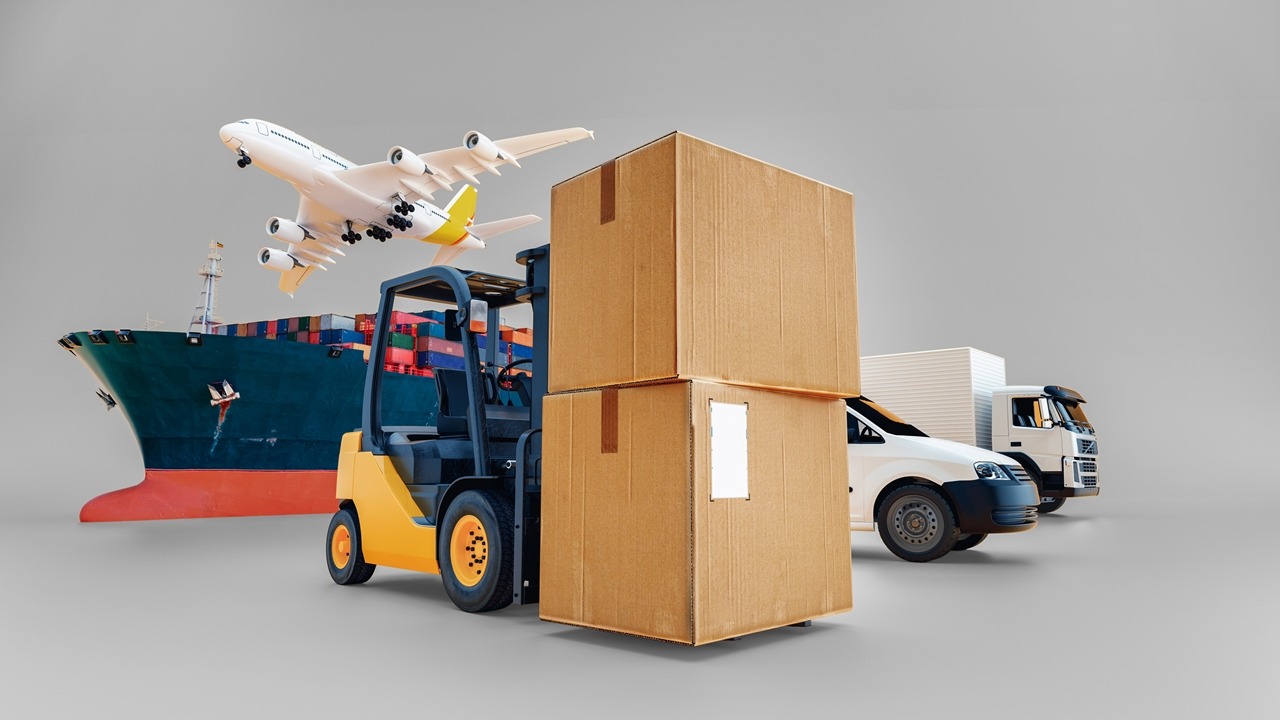
Choosing the right shipping method is an important part of an efficient logistics process. Every shipment has different requirements, and the best transportation method depends on factors such as delivery time, cargo volume, destination, budget, and the nature of the goods.
For businesses, understanding the differences between air freight, sea freight, and land freight can help create a shipping strategy that is more suitable for their operational needs.
Air Freight: When Speed Matters
Air freight is commonly used when speed is a major priority.
It can be a suitable option for shipments that need to reach their destination within a shorter timeframe, particularly for long-distance or international deliveries. Air freight can also be considered for time-sensitive cargo, urgent orders, or goods where delivery time is an important business consideration.
However, faster transportation may come with higher costs. Therefore, businesses should consider the urgency of the shipment alongside the overall logistics budget.
Air Freight is about prioritizing speed when time matters.
Sea Freight: Moving Larger Volumes
Sea freight is widely used for international shipments, particularly when businesses need to move larger volumes of cargo.
With its large transportation capacity, sea freight can be a practical option for shipments that are not highly time-sensitive. It can also support businesses looking for greater cost efficiency when transporting substantial quantities of goods.
Although transit times are generally longer compared with air freight, proper planning can make sea freight an important part of an international supply chain.
Sea Freight is about capacity, planning, and cost efficiency.
Land Freight: Flexible and Accessible
Land freight provides flexibility for domestic and regional transportation.
It can be used to move goods between warehouses, distribution centers, businesses, and other destinations that can be reached by road. Different vehicle types and capacities can also be selected based on the size and requirements of the cargo.
For businesses that require flexible routes and accessible delivery options, land freight can play an important role in the distribution process.
Land Freight is about flexibility and accessibility.
How Do You Choose the Right Shipping Method?
There is no single shipping method that works best for every shipment.
Before deciding on a transportation method, businesses should consider several key factors:
1. Delivery Time
How quickly does the cargo need to arrive?
2. Cargo Volume
How large or how much cargo needs to be transported?
3. Budget
What level of transportation cost is suitable for the business?
4. Destination
Where is the cargo coming from, and where does it need to go?
5. Cargo Requirements
Does the cargo have specific handling, packaging, or transportation requirements?
Considering these factors allows businesses to select a shipping method that aligns with their operational needs.
The Right Shipping Solution for Your Business
Logistics is not simply about moving goods from one location to another. It requires planning, coordination, and the right transportation strategy to ensure that cargo moves efficiently toward its destination.
Whether it is Air Freight, Sea Freight, or Land Freight, each method has its own role within the supply chain.
The key is understanding what your shipment needs and selecting the transportation solution accordingly.
The right route can make a difference.
The right logistics partner can keep your business moving.